Camberwell Locksmith Service Team
Local locksmith team
28 Oct 2026 12 min read
A snapped key is one of those moments that stops you cold — you are standing at your front door on Camberwell New Road at half past ten at night, the bow of the key is in your hand and the blade is somewhere inside the lock. It is easy to panic, but in many cases there are one or two things you can try yourself before reaching for the phone. The key word is 'try' — there is a point where persisting makes the situation worse, and knowing where that line sits is the most useful thing this article can teach you.
This guide walks Camberwell homeowners through the safe, sensible steps to attempt first, explains exactly why a broken key causes the problems it does depending on your lock type, and is honest about when calling a professional locksmith London team is the smarter move — both for your safety and for the health of the lock itself. If you are already past the DIY stage, skip straight to the bottom and call 020 3757 5826.
## Why Keys Snap — and Why It Matters Which Lock You Have
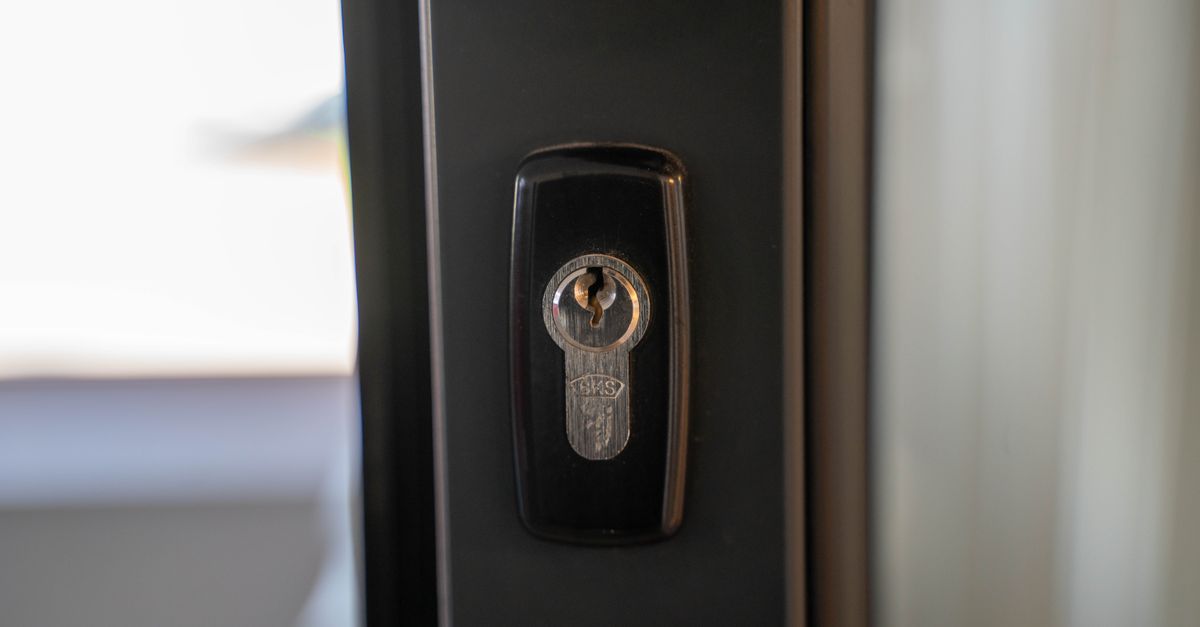
Keys break for a handful of predictable reasons: metal fatigue from years of use, a lock cylinder that has become stiff or misaligned, forcing a key when it has not fully reached the shear line, or simply a key that was cut from a worn blank and was always slightly off. The type of lock on your door changes everything about what happens next. A Yale-type nightlatch — the spring-loaded latch most Camberwell Victorian and Edwardian terraces have on the front door — holds the key in a relatively short cylinder, so a snapped blade usually sits close to the face of the lock. A 5-lever mortice deadlock, which insurers commonly ask for and which is set into the door edge, has a longer bolt mechanism and a deeper keyway, meaning a broken blade can travel further in and become much harder to access. uPVC and composite doors — common in newer Camberwell flats and housing association properties — use a euro cylinder with a multipoint locking system; these cylinders can be replaced relatively quickly, but the broken fragment must be fully cleared first or the new cylinder will jam immediately.
Understanding which of these you have matters because each one calls for a slightly different approach and a different level of intervention. If you are not sure, look at your door handle: if turning the handle raises a latch and there is a separate deadlock lower down requiring a full turn of the key, you likely have a nightlatch and mortice combination. If your handle is part of a long strip of hardware that operates several locking points at once, you have a multipoint lock with a euro cylinder.
## Safe DIY Steps to Try When a Key Snaps in the Lock
Before you attempt anything, do not try to turn the remaining key fragment — this is the single most common mistake and it drives the blade deeper into the keyway or rotates it into a position where extraction becomes far more difficult. First, make sure the cylinder is in the neutral or rest position; if the lock was in mid-turn when the key snapped, gently ease the cylinder back to the resting position using the broken bow if any of it still protrudes. With the cylinder rested, look at how much of the blade is visible at the face of the lock. If a centimetre or more is protruding, you may be able to grip it with fine-nosed pliers — not standard pliers, which are too broad — and draw it straight out with a steady, even pull. Avoid twisting. If it moves at all, keep going slowly; if it feels firmly stuck, stop.
A specialist broken key extractor tool — a thin hooked metal strip available from most hardware shops — can be slid alongside the blade into the keyway to hook onto the serrations and draw the fragment out. This is a legitimate tool designed for exactly this job and costs only a few pounds. A stiff, fine-toothed hacksaw blade (snapped to a short length so it is manageable) can serve a similar purpose in a pinch. What you should not do: pour lubricant directly into the lock before attempting extraction, as this makes the blade slippery and harder to grip; and never try to drill out the cylinder yourself unless you are prepared to replace the entire lock, because an unskilled drilling attempt almost always damages the door as well. If none of these safe attempts succeed within a few minutes, the sensible next step is to call a professional. We are available 24 hours a day, every day — including evenings, weekends and bank holidays — and you can reach us on 020 3757 5826.
## When the DIY Attempt Ends and the Locksmith Begins — Lock Change London
There are specific situations where no amount of careful DIY will resolve the problem safely, and recognising them quickly saves you from making a manageable situation significantly worse. If the blade has snapped flush with or below the face of the cylinder, extraction requires professional tools and techniques — there is simply no safe way for a non-specialist to reach it. If the key broke because the lock was already stiff, corroded, or misaligned, clearing the fragment without addressing the underlying fault means the lock will fail again shortly. And if you have a euro cylinder with an anti-snap feature — which is strongly recommended and required by some insurers — the internal snap-line that provides security can complicate fragment removal in ways that require a locksmith's specific knowledge of that cylinder design.
A skilled locksmith will assess whether the cylinder can be saved or whether a door lock replacement London makes more practical sense. In many cases on uPVC doors, replacing the euro cylinder entirely is faster, cleaner and no more disruptive than a lengthy extraction attempt — and it gives you the opportunity to fit a TS007 3-star anti-snap cylinder at the same time, which is worth doing. For timber doors with a mortice deadlock, the locksmith will extract the fragment, test the mechanism thoroughly and advise on whether the lock body itself has been compromised. Getting this assessment right the first time is what protects both your door and your insurance cover.
## uPVC Door Lock Repair London — What Happens With Multipoint Locks
Camberwell has a significant number of uPVC doors — particularly in flats and houses built or refurbished from the 1990s onwards, and across much of the housing association stock in the SE5 and SE17 postcode districts. When a key snaps in a euro cylinder on a uPVC door, the situation can feel alarming because the multipoint lock engages several hooks and locking points simultaneously. The good news is that the cylinder itself is a replaceable component; the door frame and the multipoint mechanism are almost always unaffected. The process for a trained locksmith is: extract or drill the cylinder cleanly, remove it from the door, fit a correctly sized anti-snap replacement cylinder, test all locking points, and hand over two new working keys.
The important thing with uPVC door lock repair London is sizing. Euro cylinders come in a range of lengths — the measurement from the centre fixing screw to each end must match your door exactly, otherwise the new cylinder will either not reach the handle cam or will protrude enough to remain vulnerable to snap attacks. A professional will measure before sourcing the part. It is also worth noting that if you have been locked out of my house as a result of the snap, the locksmith can often open the door non-destructively before replacing the cylinder, meaning the door and frame stay intact.
## Preventing It Happening Again — and When to Think About a Full Lock Change
Once the immediate crisis is resolved, it is worth taking stock of your door security as a whole. If the key snapped partly because the lock was stiff and worn, that lock has been telling you something for a while. Lubricating mortice and nightlatch cylinders twice a year with a dry graphite or PTFE spray (not oil-based, which attracts grit) keeps them turning smoothly and extends the life of your keys considerably. Spare keys should be kept with a trusted neighbour or family member rather than under a mat or in a fake rock — both of which are well known to anyone with bad intentions. If you have recently moved into a Camberwell property, it is good practice to change the lock or the cylinder so you know exactly who holds working keys; this is what many people are searching for when they look up how to change a lock, and in the UK the standard approach is to change the cylinder, because most UK lock types are not designed to have their pins rearranged on site.
If you are a landlord or letting agent managing a property where a tenant has moved out, changing the euro cylinder or the nightlatch is straightforward and inexpensive relative to the security it restores. The same applies after a burglary attempt, a lost key, or any situation where you are uncertain about who else may have a copy. Our team handles lock change London work across Camberwell and the surrounding areas every day — we can advise on the right cylinder grade for your door and confirm an exact up-front quote on the phone before anyone comes out. The final cost depends on the lock type, the cylinder specification, the time of call and travel from our nearest available engineer, and any parts required. Call us on 020 3757 5826 and we will talk you through your options straight away. We send a locksmith out immediately and are usually with you in about 30 minutes.
## Locked Out London — Your Checklist Before Calling
If a snapped key has left you locked out London, it feels urgent — and it is — but running through a quick mental checklist first takes only a moment and occasionally saves a call-out entirely. Is there a back door or a window on the ground floor that you normally leave on the latch? Do any family members or close neighbours hold a spare key? If you are in a flat, is the communal entrance propped open and could your letting agent or housing association emergency line help? For tenants specifically, your tenancy agreement may specify that your landlord or managing agent must arrange emergency access — worth a quick check if you have the paperwork to hand on your mobile.
If none of those options apply — which is the case for most people calling us at midnight — then the right move is to call an emergency locksmith London straight away. Do not attempt to pick or force the lock yourself; beyond the risk of damage to the door and lock, you may find your insurance becomes complicated if there is evidence of tampering. Our team covers Camberwell and the wider SE postcode area around the clock, every day of the year. We are a 24 hour locksmith London service precisely because lock emergencies do not keep office hours. Call 020 3757 5826 — we answer every time.
Frequently asked questions
Can I use superglue to pull a broken key out of a lock?+
This is one of the most widely shared DIY tips online and it very rarely works in practice. The idea is to hold a matchstick or similar against the broken blade, apply superglue, let it bond and then pull. The problem is that superglue bonds to the keyway as readily as it bonds to the key, leaving you with a stuck fragment now bonded to the cylinder walls — which makes professional extraction significantly harder and can mean the entire cylinder needs replacing. Use a proper extractor tool or fine-nosed pliers if anything is protruding, and call a locksmith if that does not succeed.
Will my insurance cover a broken key or being locked out of my house?+
Some home contents policies include a home emergency or lock cover section that contributes towards the cost of a locksmith call-out when you are locked out of your house or when a lock needs replacing after a key snaps. The cover and terms vary considerably between policies, so check your policy documents or call your insurer before assuming you are covered. We can provide a written invoice after the job which you can submit to your insurer — ask us when you call and we will make sure the paperwork reflects what your policy is likely to need.
How long does it take to replace a euro cylinder on a uPVC door?+
For a straightforward cylinder swap on a standard uPVC door — where the door is accessible, the old cylinder comes out cleanly and a correct-sized replacement is to hand — the job typically takes around 20 to 40 minutes on site. If the cylinder has been damaged by a snap attack or a drilling attempt, or if the multipoint mechanism needs attention, it takes a little longer. We will give you an honest assessment of timing when we arrive and confirm the full scope of work before we begin.
What is the difference between changing a lock and changing the cylinder, and which do I need?+
In the United States, changing the pins means adjusting the internal pin stack of a lock so a new key operates it while the hardware stays in place. In the UK, the equivalent outcome — ensuring old keys no longer work and new ones do — is achieved by replacing the cylinder, which is the removable core of the lock. For most UK doors this is the right approach: a new euro cylinder, nightlatch cylinder, or lever-set for a mortice lock. A full lock change, where the entire lock body is replaced, is recommended when the existing lock is damaged, below current insurance standards, or incompatible with a modern anti-snap cylinder. We can advise which is appropriate for your specific door and lock type when we visit.