Camberwell Locksmith Service Team
Local locksmith team
7 Oct 2026 12 min read
If you look at a typical front door in Camberwell or anywhere across south London, you will usually spot two separate locking mechanisms — one that snaps shut automatically when you pull the door closed, and one that you have to turn a key to engage. Most homeowners use both every day without giving them much thought, right up until something goes wrong. Understanding what each lock actually does, how it differs from the other, and why both matter for your security at home is genuinely useful knowledge — whether you have just moved into a new flat on Coldharbour Lane, you are a landlord with a property near Burgess Park, or you simply want to know whether your front door is as secure as your insurer expects.
This guide walks you through the two most common lock types on UK front doors — the mortice lock and the nightlatch — in plain terms. We cover how each one works, what a rim lock and a rim cylinder are, what the lever ratings mean, and when you need a locksmith to help you get the right combination in place.
## What Is a Mortice Lock, and Why Does It Live Inside the Door?
A mortice lock — sometimes spelled mortise lock — is a lock that is fitted inside a pocket, or mortice, that is cut directly into the body of the door. Because the lock sits within the door's timber rather than on the surface, it is structurally part of the door itself. When you turn the key, a bolt shoots out from the edge of the door and slides into a metal keep (also called a strike plate) that is set into the door frame. That bolt does not retract on its own — it stays put until you turn the key back. This is why a mortice lock is sometimes called a mortice deadlock: the bolt is dead, meaning it cannot be pushed back without a key. On a solid timber front door — the kind you will find throughout the Victorian and Edwardian terraces that make up much of Camberwell — a mortice lock is the primary security lock, and it is the one your insurer is most likely to ask about.
The two ratings you will encounter most often are the 2 lever mortice lock and the 5 lever mortice lock. Lever refers to the number of levers inside the mechanism that the key has to lift to the correct height before the bolt can move. A 2 lever mortice lock is a simple, inexpensive mechanism typically used on internal doors or garden sheds — it offers minimal resistance to picking or manipulation. A 5 lever mortice lock is a far more robust option and is the standard required by most UK home insurance policies for external doors. If your policy mentions BS3621, that refers to the British Standard that governs deadlocks for external timber doors, and a compliant lock will be a 5 lever mortice lock — or occasionally a 2 lever lock built to that standard for specific applications. If you are unsure what you have, our team can check and advise you straightforwardly.
## What Is a Nightlatch (and What Is a Rim Lock)?
A nightlatch — widely known by the generic term Yale lock, though that is simply one manufacturer's name — is the lock that clicks shut automatically whenever you pull the front door closed. It works by means of a spring-loaded latch: a small, angled bolt that retracts as the door closes and then springs back out into the keep on the frame. From outside, you open it with a key. From inside, you use a knob or lever handle. So when people search for a door knob with lock and key or an exterior door knob with lock and key, a nightlatch is very often what they are picturing — the mechanism where the handle or knob on the inside controls the latch, and the key controls entry from outside.
Understanding what a rim lock is helps here too. A rim lock is simply a lock that is fitted onto the surface of the door — it sits on the face of the door rather than being cut into it. A standard nightlatch is a rim lock: the latch case is screwed to the inside surface of the door, and the cylinder (the part the key goes into) passes through a hole drilled in the door. That cylinder is what locksmiths call a rim cylinder, as distinct from a euro cylinder, which is the oval-shaped cylinder used in uPVC and composite doors. So what is a rim cylinder? It is the round barrel-style cylinder used in a surface-mounted nightlatch. Rim cylinders and euro cylinders are not interchangeable, which is why it matters to know which type of door you have before ordering parts.
## How the Two Locks Work Together — and When One Is Not Enough
Here is the practical point: a nightlatch on its own provides convenience, not security. Because the latch is spring-loaded, it can often be slipped — meaning a thin tool slid between door and frame can retract it without a key. Many older nightlatches in south London terraces offer very little resistance to this method. A mortice lock on its own, meanwhile, requires you to actively double-lock the door every time you leave, which many people forget to do. The two locks work together because they cover each other's weaknesses. The nightlatch means the door is always secured the moment it shuts; the mortice lock means that when you are out or in bed, the bolt is thrown and the door cannot be slipped or forced open without substantially more effort.
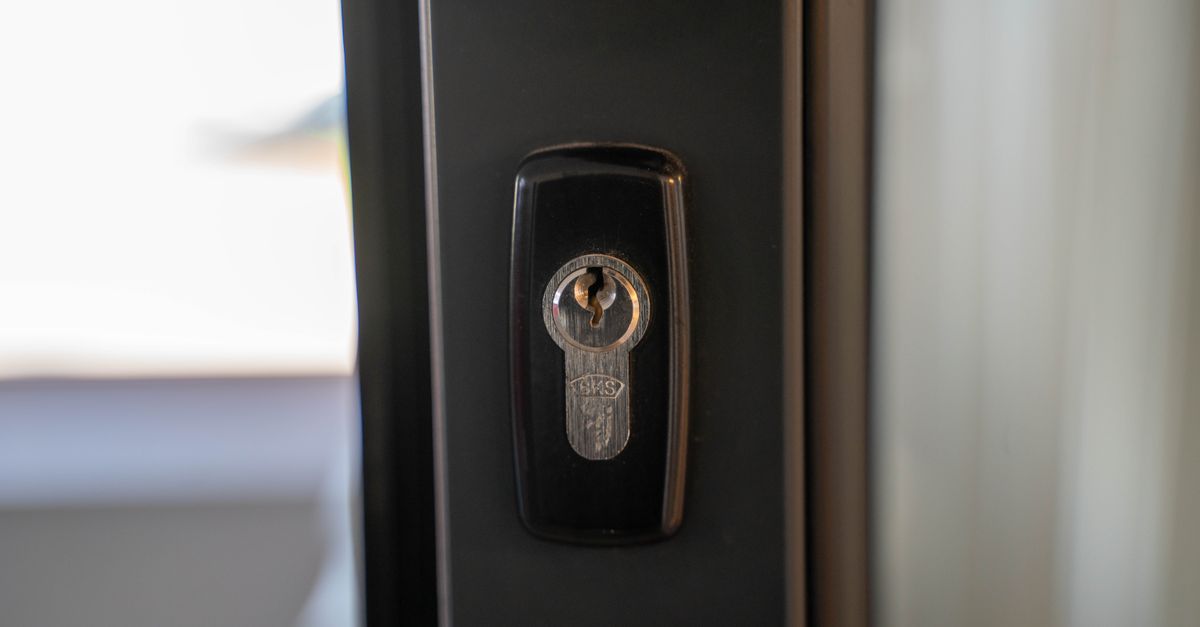
There is an important caveat for flats and properties with uPVC or composite doors. If you live in a flat on a street like Denmark Hill or Peckham Road, you likely have a euro cylinder in a multipoint locking system rather than a traditional mortice lock — turning the key on a multipoint door engages several bolts or hooks simultaneously up and down the door edge. These doors face a different vulnerability: cylinder snapping. A burglar can break a cheap euro cylinder in seconds with a simple snap technique. Anti-snap cylinders — particularly those rated TS007 3-star — are designed to shear at a sacrificial point before the internal workings are reached. If your door has a standard euro cylinder and it has never been upgraded, that is worth addressing. We carry out door lock replacement London-wide and can advise on the right cylinder for your specific door and frame.
## Lock Standards, Insurance, and What Emergency Locksmith London Calls Tell Us
In our experience as a 24 hour locksmith London homeowners and tenants call at all hours, the most common scenario we encounter is a front door where the nightlatch has failed or the mortice lock has seized, often because one or both locks have not been serviced or replaced for many years. Victorian timber doors swell and shift seasonally, which puts stress on the mortice keep and can make the bolt difficult to throw fully. When a bolt is not fully engaged, the lock offers far less resistance than it should. We also regularly attend properties after a break-in attempt where the nightlatch cylinder has been drilled — a targeted attack that a British Standard cylinder resists far better than a basic one.
If your insurer specifies a BS3621 lock and your door does not have one, your contents cover may be affected in the event of a claim. Many letting agents and housing associations in the Camberwell area are increasingly specifying compliant locks in their tenancy agreements precisely because of this. A lock change London can resolve the compliance issue in a single visit. As an experienced locksmith London team, we confirm everything you need before we start work — and we provide an exact, up-front quote on the phone before anyone travels to you. The final price depends on factors including the lock type and grade needed, any parts required, the time of day, and travel distance — there are no hidden additions once a price has been agreed. If you would like advice now, call 020 3757 5826 and we will talk it through with you.
## uPVC Door Lock Repair London and When to Call a Locksmith
Knowing the difference between a mortice lock and a nightlatch also helps you describe the problem clearly when you do need a locksmith — which speeds up the call and means we arrive with the right parts. If the door is clicking shut but you cannot double-lock it from outside, the mortice lock is likely the issue. If the door will not latch closed at all, the nightlatch latch or its keep is usually at fault. If the cylinder turns but nothing moves, the linkage between cylinder and mechanism may have failed. For uPVC door lock repair London calls, the most common fault is a multipoint lock mechanism that has worn out — the gearbox inside the door fails to drive the hooks or bolts when the handle is lifted.
What you should not do if you are locked out is attempt to force entry yourself. Beyond the obvious risk of damaging the door, an improperly forced door frame can be expensive to repair and may actually make the door less secure even once you are back inside. The right steps are: check whether any other door or window is open and accessible safely, check whether a trusted neighbour or family member holds a spare key, and if neither applies, call a professional locksmith. We are a mobile locked out London service, available around the clock, including evenings, weekends, and bank holidays. We send a locksmith straight away and are usually with you in around 30 minutes. All work is carried out with care to avoid unnecessary damage to your door or frame. For genuine emergencies, call 020 3757 5826 — we answer 24/7.
## A Quick Reference: Mortice Lock vs Nightlatch at a Glance
Mortice lock: fitted inside the door; bolt is manually thrown with a key; does not engage automatically; the security lock your insurer cares about most; BS3621 is the standard to look for on external timber doors; 5 lever mortice lock is the type required by most policies. Nightlatch (rim lock): fitted to the surface of the door; latch engages automatically when the door closes; uses a rim cylinder; convenient for day-to-day use but vulnerable to slipping on older models; best paired with a mortice deadlock for genuine security.
On uPVC and composite doors, the equivalent setup is a multipoint locking system operated by a euro cylinder. The anti-snap rating of that cylinder is the equivalent security concern to the lever count on a mortice lock. If you are unsure what combination you have, or whether your locks meet your insurer's requirements, that is exactly the kind of question we answer on the phone before we charge you anything. Our skilled team covers Camberwell and the surrounding areas of south and central London, and as a fully insured locksmith London service we work on all standard door types — timber, uPVC, composite, and the communal entrance doors common in blocks of flats throughout SE5 and beyond.
Frequently asked questions
What is the difference between a 2 lever mortice lock and a 5 lever mortice lock?+
The number of levers refers to the number of internal levers the key must align correctly before the bolt can move. A 2 lever mortice lock has a simpler mechanism that offers relatively little resistance and is generally suited only to internal doors. A 5 lever mortice lock is significantly more complex, far harder to manipulate, and is the standard required by most UK home insurance policies for external doors. If your insurer specifies BS3621, they are almost certainly requiring a 5 lever mortice lock or equivalent. If you have a 2 lever lock on your front door, upgrading it is straightforward and worth doing.
What is a rim cylinder, and is it the same as a euro cylinder?+
No, they are different. A rim cylinder is the round, barrel-shaped cylinder used in a surface-mounted nightlatch — it sits in the outer face of the door and connects to the latch case on the inside surface. A euro cylinder is the oval-shaped cylinder used in uPVC and composite doors as part of a multipoint locking system. The two types are not interchangeable. If you need a replacement cylinder, it is important to identify which type you have first. We can confirm this on the phone or when we arrive, and we carry both types as part of our standard mobile stock.
My front door has a nightlatch but no mortice lock — is that enough for insurance purposes?+
In most cases, no. Standard home insurance policies for properties with timber front doors typically require a 5 lever mortice lock that meets BS3621, in addition to a nightlatch. A nightlatch alone is generally not sufficient to satisfy the insurers' security requirements, and if you make a claim after a break-in without the required lock, your insurer may reduce or refuse the payout. The specific requirements vary between policies, so it is worth checking your documents. If your door currently only has a nightlatch and you would like a mortice lock fitted, that is a straightforward job — call 020 3757 5826 and we can arrange a visit at a time that suits you.
How do I know if my uPVC door cylinder needs replacing or if the whole lock mechanism has failed?+
There are a few ways to tell them apart. If your key turns smoothly in the cylinder but the door does not lock or unlock, the cylinder itself is likely fine and the fault is in the multipoint lock mechanism inside the door — typically a worn gearbox. If the key feels stiff, grinds, or will not turn fully, the cylinder is more likely at fault. If the door handle drops or feels loose, that often points to a broken spindle or mechanism. In practice, diagnosing this accurately on your own can be tricky, and an incorrect diagnosis can lead to buying the wrong part. Our team carries out uPVC door lock repair across London and can identify the exact fault quickly, then confirm a price before any work begins.