How Internal Door Locks Actually Work — and Why That Matters
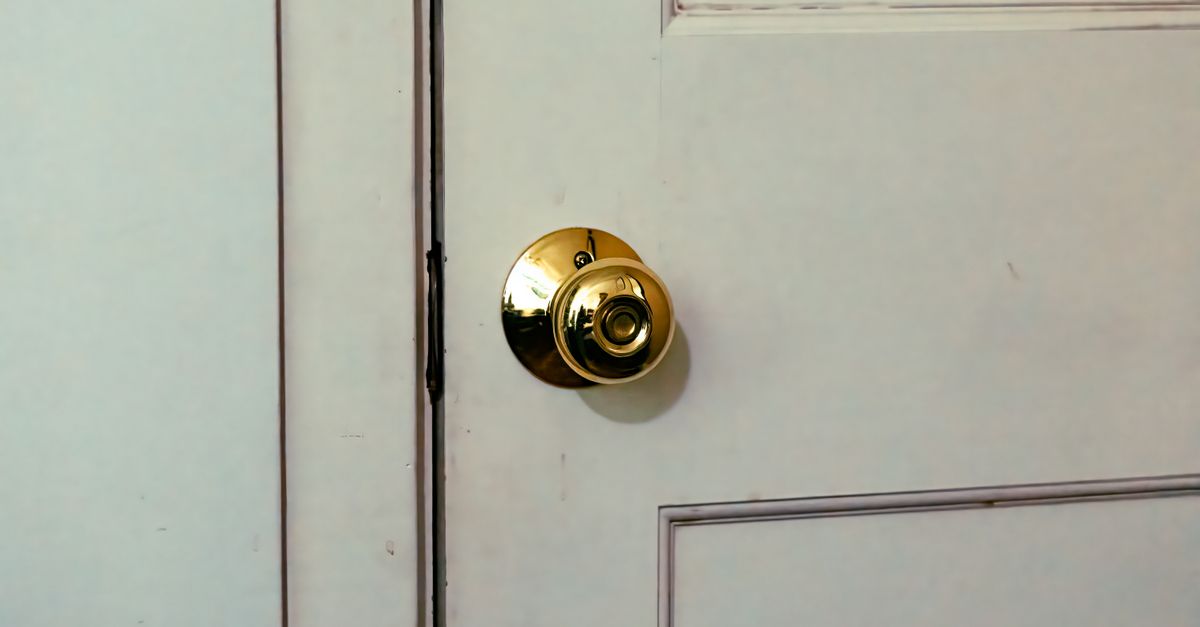
Internal doors in UK homes — whether in a period conversion near Camberwell Grove or a modern purpose-built flat on the Old Kent Road — are fitted with lightweight privacy locks rather than the robust security hardware you would find on a front door. The most common types are the simple bathroom bolt or thumbturn (sometimes called a snib), the keyhole-style privacy lock that uses a small coin or emergency key, the spindle-and-handle mechanism where a broken spindle leaves both sides of the door inoperable, and the older rim-latch style occasionally found in Victorian and Edwardian properties. Because these locks are designed for privacy rather than security, they can usually be released by a trained locksmith without drilling, cutting, or forcing the door — but the correct approach depends entirely on which type of lock has failed and why.
A bathroom bolt that has been pushed across by a confused young child needs a completely different technique from a spindle that has sheared inside the door furniture. This is why a professional assessment matters. When you call us on 020 3757 5826, we ask a few quick questions about the door type and the lock before we set off, so our technician arrives with the right tools for your specific situation rather than improvising on the doorstep.