Camberwell Locksmith Service Team
Local locksmith team
21 Oct 2026 13 min read
If you live in a flat or house with a uPVC or composite front door — which covers most homes in Camberwell, from the terraced streets off Camberwell Church Street to the blocks of flats around Denmark Hill — there is a good chance your door is fitted with a euro cylinder lock. Euro cylinders are convenient and very common, but they carry a well-documented weakness: a burglar with a cheap pair of pliers and thirty seconds can snap one in half and walk straight through your door without making much noise. This technique, known as lock snapping, has been a leading method of break-in across London for well over a decade, and Camberwell is not immune.
The good news is that the solution is straightforward and does not require replacing your whole door. Anti-snap euro cylinders are designed specifically to defeat this attack, and understanding how they work — and what the TS007 star rating on the packaging actually means — puts you in a much stronger position to protect your home. This guide explains everything a homeowner or tenant needs to know, so you can make an informed decision rather than guessing at the hardware aisle.
## Why Euro Cylinders Snap — and Why It Matters for Locksmith London Customers
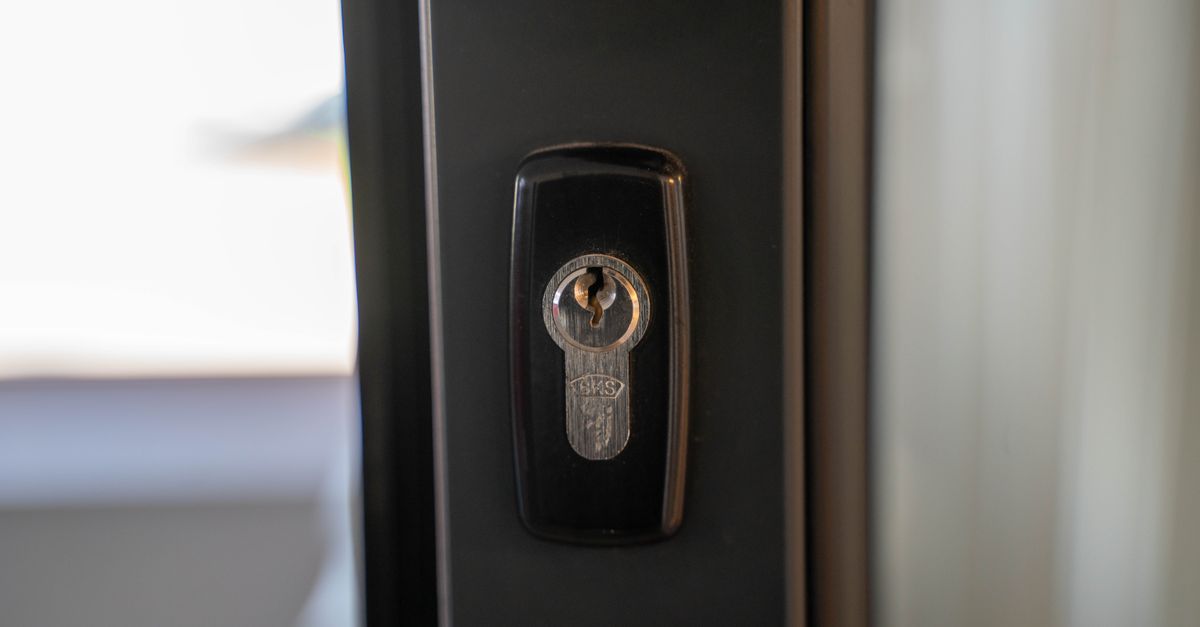
A standard euro cylinder is shaped like a small barrel and sits inside the lock housing of your uPVC or composite door. It has an exposed section on the outside of the door — usually about 10 to 15 mm of metal protruding beyond the face plate — and this is precisely where the problem lies. The cylinder is manufactured with a deliberate weak point, called a snap line or shear line, designed so that if the cylinder is ever over-torqued during assembly, it breaks predictably rather than damaging the door. Burglars discovered long ago that this engineering feature could be exploited. Using a screwdriver and a pair of snapping pliers, they apply sideways force to the exposed section, snap off the outer portion of the cylinder within seconds, and then manipulate the remaining stump to retract the bolt and open the door. No glass breaking, no dramatic force — just a quiet mechanical failure that standard cylinders are simply not built to resist.
For anyone living in SE5 or the surrounding postcodes, this is not an abstract risk. Camberwell sits within a dense urban area, and opportunistic burglars move quickly between streets. A door that looks locked but is fitted with a basic euro cylinder offers relatively little resistance to someone who knows what they are doing. Insurance providers have taken note as well — some home insurance policies now specify that euro cylinder locks must meet a minimum security standard, and failing to comply can affect a claim.
## TS007 Stars Explained — What the Rating Actually Tells You
TS007 is a British standard specifically created to test and rate euro cylinder security against the most common physical attacks, including snapping, picking, drilling, and bumping. Products that pass the testing are awarded a star rating between one and three stars, and that number tells you a great deal about the level of protection you are getting. A one-star cylinder on its own offers a baseline level of resistance — it has some anti-snap features but is considered a minimum starting point. A one-star cylinder paired with a one-star door handle and a one-star escutcheon (the decorative plate around the cylinder) adds up to a combined three-star rating, which is where most security professionals and insurers want you to be. A single three-star cylinder, however, achieves the top rating on its own without needing companion hardware, because it has passed the full suite of tests including anti-snap, anti-pick, anti-drill, and anti-bump.
When you are shopping for or specifying a replacement cylinder, do not just look for the words 'anti-snap' on the packaging. Many locks use that phrase loosely. Look specifically for the TS007 kitemark and the star rating. A three-star cylinder is the most robust single-unit choice for a standard uPVC door. If you are unsure what your current lock has — or whether the star-rated cylinder fitted to your door is the correct size — a professional locksmith London can assess it quickly during a visit and confirm what you actually have rather than what you assume you have.
## How to Tell If Your Door Needs an Anti-Snap Upgrade — Practical Steps for a Lock Change London
Checking whether your door needs an upgrade is simpler than most people expect. Start by looking at the euro cylinder itself. Stand outside your front door and examine how much of the cylinder protrudes beyond the outer face plate. If more than 3 mm is exposed, the cylinder is too long for the door — and that extra metal is exactly what a burglar grips to snap it. Even an anti-snap cylinder fitted in the wrong size will be more vulnerable than it should be, so correct sizing matters as much as the standard the lock is built to.
Next, look for any markings on the cylinder itself. Many manufacturers stamp or engrave the TS007 star rating or the kitemark logo on the face of the cylinder, though this is not universal and markings can wear away. If you cannot find any markings, check whether you have any paperwork from when the door was installed or last serviced — a reputable installer should have left documentation. If you have no paperwork and no visible marking, treat the cylinder as unrated and arrange for it to be checked. It is also worth noting that even a genuine anti-snap cylinder can degrade over time: if your key sticks, the cylinder feels stiff, or the door has dropped slightly on its hinges (causing the lock mechanism to bind), the cylinder may no longer be functioning as intended. These are all signs that a door lock replacement London visit is overdue. If you would like a quick, honest assessment with no obligation, call us on 020 3757 5826 — we cover Camberwell and the surrounding areas around the clock.
## Anti-Snap Cylinders in Practice — What Makes Them Different as a uPVC Door Lock Repair London Solution
A genuine anti-snap euro cylinder defeats the attack in one of two ways — or, in better-quality products, both ways combined. The first is a sacrificial break point engineered into the outer section of the cylinder. When a burglar applies snapping force, the outer portion does break away as expected — but crucially, the break happens before it reaches the internal mechanism. The inner workings remain intact and fully locked, so snapping off the front section achieves nothing except destroying the cylinder itself. The second method is a hardened steel insert or anti-drill pins within the cylinder body, which resist the mechanical manipulation a burglar would attempt after breaking the outer section. High-quality three-star cylinders combine both approaches alongside anti-pick and anti-bump pins, making them resilient against the full range of common cylinder attacks.
It is worth understanding that an anti-snap cylinder is not a universal solution on its own. The door frame, the multipoint locking mechanism, and the quality of the installation all contribute to overall security. A correctly sized anti-snap cylinder installed in a door with a sagging frame or a misaligned keep will still have weaknesses. This is why a skilled locksmith will assess the whole door when carrying out a lock change London — checking the frame condition, the alignment of the locking points, and whether the cylinder protrusion is within the safe range — rather than simply swapping one cylinder for another and leaving.
## When to Call an Emergency Locksmith London — Signs, Scenarios, and What to Expect
There are several situations where calling a 24 hour locksmith London is the right next step, beyond the obvious case of being locked out of your home. If you come home to find your euro cylinder looks damaged, feels loose, or is sitting at an odd angle in the door, do not dismiss it. These can be signs that a snap attempt has already been made — the outer section may have been partially stressed or the face plate disturbed. Even if entry was not gained, the cylinder is compromised and should be replaced before the door is left unattended overnight. Similarly, if a neighbour reports hearing a commotion near your front door or you notice fresh scratches around the cylinder face, treat this as a prompt to act rather than wait.
For tenants in a flat or rented property in Camberwell, the position is slightly more complicated. You should notify your landlord or letting agent in writing as soon as possible if you believe the lock has been tampered with or is substandard — they have a legal obligation to maintain security. If the landlord is unresponsive and you feel unsafe, it is reasonable to arrange the replacement yourself and seek reimbursement, though it is wise to document everything first. Our team regularly works with both tenants and letting agents across London and can provide a written report of the work carried out. Whatever the situation, we send a locksmith straight away and are usually with you in about 30 minutes. The price for any job is confirmed clearly on the phone before anyone comes out — the final quote depends on factors including the type of lock required, the specific work involved, and when the call is made. Call 020 3757 5826 any time, day or night, evenings, weekends, or bank holidays.
## Choosing the Right Cylinder — a Practical Checklist for Door Lock Replacement London
Before arranging a replacement, it helps to gather a few pieces of information so the right cylinder can be brought to your door first time. Measure your existing cylinder if you can — the total length is usually written as two numbers separated by a slash (for example, 35/45 mm), representing the internal and external halves. If measuring is not possible, a photo of the cylinder and face plate taken from directly in front of the door is usually enough for an experienced locksmith to identify the correct size. Note whether your door opens inward or outward, and check whether the door handle is part of a combined escutcheon unit, as this affects which products are compatible.
The most practical advice for Camberwell homeowners is to aim for a TS007 three-star cylinder as a minimum — a single component that does not require companion hardware upgrades to reach the top rating. If your door is older and the multipoint lock mechanism itself shows signs of wear or stiffness, it is worth having that assessed at the same time. Combining a high-quality cylinder with a well-adjusted, properly aligned door gives you a genuinely secure front door rather than just a more secure lock on a compromised frame. Our team carries a range of correctly rated cylinders and can advise you on the right fit for your specific door — no guesswork and no unnecessary upselling.
## Locked Out London — What to Do Before You Call
Being locked out is stressful, especially late in the evening or early in the morning on a cold Camberwell street. Before calling a locksmith, run through a few quick checks. Is there a back door, a patio door, or a window on the ground floor that might be unlocked? Has a family member, flatmate, or neighbour been given a spare key? If you live in a block of flats, is your managing agent or housing association reachable for a spare? These checks take two minutes and can save you a call-out. If none of those options apply, call a professional — do not attempt to force entry yourself, as this can cause costly damage to the door frame or multipoint mechanism that far exceeds the cost of a legitimate locksmith visit.
When you do call, have your name, address, and postcode ready, and be prepared to show proof of identity and residency when the locksmith arrives — a utility bill, tenancy agreement, or bank statement with your address on it is ideal. This verification step is standard practice and protects both you and the locksmith. We are available as a 24 hour locksmith London service every day of the year, and we will always confirm the full price before starting any work. Call 020 3757 5826 — we answer around the clock.
Frequently asked questions
How do I know if my current euro cylinder is anti-snap?+
Look for the TS007 kitemark and a star rating stamped or engraved on the face of the cylinder — either one, two, or three stars. If you cannot see any marking, check the paperwork from your door installer. If neither is available, assume the cylinder is unrated and arrange for a professional to inspect it. A trained locksmith can identify the product quickly and advise whether it meets current security standards. We are happy to do this as part of any visit — call us on 020 3757 5826.
Does my landlord have to fit an anti-snap lock if I ask?+
There is no single piece of legislation that specifically mandates anti-snap cylinders by name, but landlords in England have a general duty to keep rented properties in a safe and secure condition. Many tenancy agreements and some mortgage or insurance conditions also specify minimum lock standards. If your door has a basic, unrated euro cylinder and you are concerned, raise it in writing with your landlord or letting agent. If the property has previously been broken into or attempted, that strengthens your case considerably. We can provide written documentation of the work carried out, which can be useful for correspondence with a letting agent.
Can I fit an anti-snap cylinder myself?+
Technically, euro cylinders are designed to be user-replaceable — they are held in by a single central screw. However, getting the size exactly right is critical. A cylinder that is even a few millimetres too long on the outer face reintroduces the vulnerable protrusion that anti-snap design is meant to eliminate. Getting the size wrong can also affect how the multipoint lock operates, potentially leaving the door difficult to lock or the mechanism under strain. If you are confident in measuring accurately and sourcing a correctly rated cylinder, it is possible — but for most homeowners, having a skilled locksmith handle the replacement takes twenty minutes and ensures the job is done correctly the first time.
Is a three-star cylinder enough on its own, or do I need to change other hardware too?+
A TS007 three-star rated cylinder is designed to achieve the highest rating as a single component, so you do not need to combine it with rated handles or escutcheons to reach that standard. That said, overall door security also depends on the condition of the door frame, the quality of the multipoint mechanism, and whether the door is correctly aligned. A well-rated cylinder in a poorly maintained door still has weaknesses. When our team carries out a door lock replacement, we assess the whole setup and flag anything else that may need attention — you get a clear picture of your door's security, not just the cylinder in isolation.