Camberwell Locksmith Service Team
Local locksmith team
15 Jul 2026 13 min read
A locked door, a lost key, or a break-in attempt — any of these can leave you staring at your front door wondering exactly what needs to change. The question most Camberwell homeowners ask us is a simple one: does the whole lock need to come off, or is it just the cylinder that needs swapping? It is a fair question, and the answer saves you both time and unnecessary work. Getting it right the first time is what a skilled locksmith London team is for.
This guide walks you through the difference between a cylinder replacement and a full lock change, the scenarios where each applies, and the practical steps involved — including what to look for on your own door before you pick up the phone. Whether you have a traditional timber front door on Camberwell Grove, a uPVC flat entrance on Coldharbour Lane, or a composite door on a newer build, the principles are the same even if the hardware varies.
## Cylinder vs. Lock Case: Understanding What You Actually Have
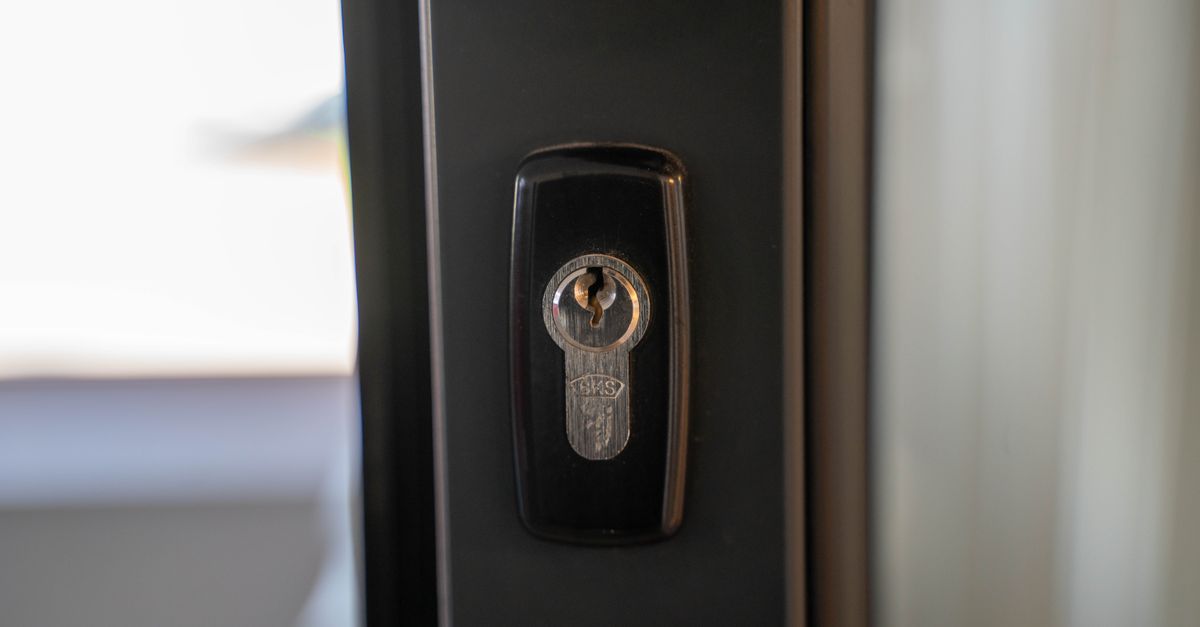
Most UK front doors carry two distinct security layers. There is the lock mechanism itself — the body, the case, the levers or the multipoint gearbox — and then there is the cylinder, which is the removable barrel that your key turns. On a uPVC or composite door, that cylinder is a euro cylinder: an oval-shaped barrel held in place by a single retaining screw on the internal faceplate. On a traditional timber door, you are more likely to have a 5-lever mortice deadlock (the BS3621 type most insurers ask for) alongside a Yale-type nightlatch. The nightlatch has a small rim cylinder; the mortice lock has no cylinder at all — it is operated purely by the shape and cut of the lever key. Knowing which type you have determines everything about what can and cannot be replaced in isolation.
Think of the cylinder as the ignition barrel and the lock case as the engine. If the engine is sound but the ignition is worn or compromised, you replace the ignition. If the engine itself has seized, corroded, or been forced, the whole unit needs attention. A trained locksmith will assess both before recommending anything, but understanding the distinction means you arrive at that conversation already informed.
## When Changing the Cylinder Is Enough — and What It Involves
A cylinder-only swap is appropriate in several very common situations. You have moved into a new flat on Peckham Road and do not know how many keys the previous tenants handed back. Your letting agent never changed the barrel between tenancies. You have had a key go missing and cannot account for it. Someone who used to have access — a former partner, a previous tradesperson — should no longer be able to walk in. In all of these cases the lock body itself is working perfectly, so a full lock change London call-out would be unnecessary. Swapping the euro cylinder alone restores your security quickly and with minimal disruption to the door. The process for a euro cylinder is straightforward for a professional: the retaining screw is released, the old cylinder is turned to the cam position and withdrawn, the new one is inserted and the screw reset. The whole operation on a standard uPVC door takes ten to fifteen minutes. Anti-snap cylinders — particularly TS007 3-star rated ones — are worth specifying here, because cylinder snapping remains one of the most common forced-entry methods used on uPVC and composite doors across South London. A standard brass cylinder offers almost no resistance to this technique; an anti-snap cylinder is designed to shear at a sacrificial section before the attacker reaches the cam.
For a Yale-type nightlatch, the rim cylinder can similarly be replaced without touching the lock case mounted on the door. The backplate is unscrewed from the inside, the connecting bar is withdrawn, and a new cylinder drops in. If you are wondering how to change a door lock in the UK context, the honest answer is that changing the cylinder — where a locksmith fits a new cylinder so that only new keys will operate the lock — is the standard approach on residential doors here. The practical result is the same: the old keys stop working and new keys are issued. If someone asks how to change a lock, that cylinder swap is almost always the answer a UK locksmith will give you.
## When the Whole Lock Must Be Replaced — Door Lock Replacement London
There are situations where swapping the cylinder is not enough, and proceeding with only that work would leave the door genuinely insecure. The first is physical damage to the lock case or mechanism. If a door has been forced — kicked, levered, or attacked with a snap tool that penetrated beyond the cylinder — the case itself may be bent, the levers sprung, or the multipoint gearbox stripped. A new cylinder in a damaged case will not hold. The second situation is wear. A mortice deadlock that has been in daily use for fifteen or twenty years on a Victorian terrace in Camberwell can develop enough play in the levers that it no longer throws fully, or the bolt sits slightly proud and will not engage the keep properly. At that point the internal mechanism is the problem, not the cylinder, and door lock replacement London is the right call. The third situation involves upgrading security. If your insurer has asked for a BS3621-rated 5-lever mortice deadlock and you currently have a basic 2-lever lock, no cylinder change will get you there — the case must change.
uPVC door lock repair London calls often begin with a door that will not lock or unlock properly, a handle that drops, or a key that turns but the bolt does not move. Nine times out of ten this points to the multipoint locking mechanism — the long strip of hooks and rollers that runs up and down inside the door slab. This is not a cylinder issue; it is a gearbox or mechanism issue, and it requires the multipoint unit to be removed and replaced. The cylinder can often be reused if it is undamaged, but the case absolutely must be changed. For anyone wondering what to check before calling: try lifting the handle firmly upward while turning the key. If the lock engages normally in that position, the gearbox may simply be misaligned rather than failed — but that assessment is best made by an experienced locksmith rather than by forcing anything.
## Measuring, Sizing, and Choosing the Right Parts
Getting the cylinder size right before ordering or fitting is critical. For a euro cylinder, you need the total length and how that length is split across the external and internal sides of the door — for example, a 35/45 cylinder means 35 mm on the outside and 45 mm on the inside. Measure from the centre of the retaining screw hole to each end of the cylinder. If you are curious how do you measure a backset on a mortice lock, the backset is the distance from the front face of the door (or the edge of the door) to the centre of the keyhole. Standard UK mortice locks sit at either a 45 mm or 57 mm backset, and fitting the wrong size means the lock will not align with the keep in the door frame — the bolt will either miss or bind. A professional will measure both before sourcing parts, which is why confirming the job details over the phone matters: lock type, door material, door thickness, and whether the door is hinged or sliding all affect which parts are needed.
For combination-style locks — increasingly common on internal doors, garden room doors, and some communal entrances — the question of how do you change the code on a door lock or how do you change a combination lock code comes up regularly. The process depends entirely on the brand and model: most push-button combination locks have a reset procedure involving holding a programming button while entering a master code, then setting the new user code. If the original code has been forgotten, most consumer-grade combination units cannot be reprogrammed without a master override — and at that point the lock usually needs replacing rather than recoding. If you are wondering whether you need to change the combination on a new lock when you install it fresh from the packaging, the answer is: not usually, but changing the default combination or registering new keys to a new smart lock before anyone else uses it is good practice. Similarly, how do you change a combination lock on a door that has a lost code? A professional can assess whether a reset is feasible or whether a replacement is the simpler and more secure route. If you are dealing with a lockout on a combination-secured door and want to know how do you pick a door knob lock — please be aware that lock picking is a skilled technique requiring specialist tools and training, and attempting it without experience risks damaging the mechanism further. The right call is to contact a professional locksmith London team who can open the door by legitimate means and assess the lock properly without causing damage.
## What to Expect From a Camberwell Locksmith Call-Out — 24 Hour Locksmith London
Whether you are locked out London at 2am after a night shift, or you have realised at the weekend that your front door has been showing signs of attempted entry, calling a 24 hour locksmith London team means someone is on the way quickly. When you call 020 3757 5826, the first thing that happens is a brief conversation about the door type, the lock, and what has occurred. This allows the locksmith to arrive with the right parts rather than making a preliminary visit followed by a return trip. The price is confirmed clearly before any work begins — the final quote depends on factors such as the type of lock, the parts required, the time of day, and travel distance, all of which are discussed on the call so there are no surprises at the door.
Once on site, an experienced locksmith will inspect both the cylinder and the lock case before making a recommendation. If only the cylinder needs changing, that is what will be done — there is no upselling a full replacement when it is not warranted. If the mechanism is damaged and the door lock replacement London is necessary, the locksmith will explain what is wrong and why before starting. Communal entrances in blocks of flats, shared houses, and properties managed by letting agents do add a step: the locksmith may ask to verify your connection to the property, particularly for a lock change, which is standard practice and something a professional team handles calmly and without fuss. For emergency locksmith London work — a forced entry, a snapped cylinder, a door that will not close — the priority is making the property secure first, with a full assessment and permanent repair following immediately after. We cover Camberwell and the surrounding SE5 postcode district and are usually with you in about 30 minutes of your call.
## A Quick Reference: Cylinder Swap or Full Lock Change?
To summarise the decision in practical terms: choose a cylinder replacement when the lock case and mechanism are undamaged, keys have been lost or access needs revoking, or you want to upgrade to an anti-snap cylinder without changing the whole lock. Choose a full lock change when the case or mechanism has been physically damaged, the lock is worn and no longer functioning reliably, an upgrade to a higher security rating is needed (such as BS3621 for insurance purposes), or the multipoint mechanism on a uPVC or composite door has failed. When in doubt — and especially after any attempted break-in — a professional assessment costs nothing extra on a call-out and means you are not guessing at the security of your own home. For anything from a straightforward cylinder swap on a Camberwell terrace to an emergency door lock replacement London following a forced entry, call 020 3757 5826. We answer 24/7, including evenings, weekends, and bank holidays.
Frequently asked questions
Do I need to change the whole lock if only my keys have been lost?+
In most cases, no. If the lock case and mechanism are undamaged, a cylinder replacement is sufficient. This is the approach a UK locksmith will take when asked how to change a lock — the old cylinder is removed and a new one fitted, so previous keys no longer work. The lock body itself stays in place. A full lock change is only necessary if the mechanism is damaged, worn, or no longer meets your insurer's requirements.
How do I know if my uPVC door needs a new cylinder or a new multipoint mechanism?+
A good indicator is where the problem occurs. If the key turns freely but the door does not lock or unlock, or the handle drops and the hooks do not engage, the fault is likely in the multipoint gearbox — not the cylinder. If the key is stiff, difficult to turn, or the cylinder is visibly damaged (for example after a snap attempt), the cylinder is the issue. Lifting the handle firmly upward while turning the key is a quick check: if that makes the lock engage normally, the gearbox may be misaligned rather than failed. Either way, a skilled locksmith can diagnose this on arrival and confirm before any work begins.
Can you tell me the cylinder size I need before the locksmith arrives?+
The most reliable way to get the right size is to measure the euro cylinder yourself. Count the millimetres from the centre of the retaining screw hole to the outer face of the cylinder, then do the same to the inner face. Write both figures down — for example 35 mm outside and 45 mm inside gives you a 35/45 cylinder. If you are not comfortable measuring, our locksmith will bring a selection of common sizes and measure on site. For mortice locks, the backset measurement is also important — that is the distance from the door edge to the centre of the keyhole, typically 45 mm or 57 mm on UK doors.
What happens if I am locked out of my flat late at night — can you still help?+
Yes. We operate as a 24 hour locksmith London service, which means we respond to locked out London calls at any hour — including overnight, at weekends, and on bank holidays. When you call 020 3757 5826 we will confirm the details of your door and lock, give you a clear price before anyone sets off, and send a locksmith straight away. We are usually on site in around 30 minutes. For flats, we may ask a couple of questions to confirm you are the resident or have authority to access the property — this is standard practice and nothing to worry about.