Camberwell Locksmith Service Team
Local locksmith team
16 Sep 2026 12 min read
Changing the locks on a rented property sits in a legal and practical grey area that trips up both landlords and tenants every year. Whether you have just moved into a flat on Camberwell New Road, your tenancy has just ended and your landlord wants the locks changed before new tenants arrive, or you are a landlord worried about an old set of keys floating around South London, knowing exactly who has the right to change the lock — and how that process works — can save you from a costly dispute or even a criminal charge.
This guide sets out the rules clearly: what the law says about landlords changing locks without notice, what tenants are entitled to do, how lock changes work in practice on typical UK front doors, and when it makes sense to call a professional locksmith London service rather than trying to handle it yourself. We cover Yale-type nightlatches, 5-lever mortice deadlocks, and euro cylinder multipoint locks — the three types you are most likely to find on a rented home in the Camberwell area.
## What the Law Actually Says: Can a Landlord Change the Lock?
In England, a landlord cannot legally change the lock on a rented property while a tenancy is still in force without the tenant's express written agreement. Doing so without that agreement — even if rent is overdue — counts as illegal eviction under the Protection from Eviction Act 1977. The consequences are serious: a tenant can apply to the county court for re-entry and may be entitled to damages. The only lawful route to recovering possession is through the courts, and that remains the case however difficult the situation has become. If you are a landlord in Camberwell dealing with a problem tenancy, the message from solicitors and local housing advice services alike is the same: do not change the lock until the tenancy has legally ended.
Tenants, on the other hand, do have the right to change the lock on their own front door during a tenancy — but most assured shorthold tenancy agreements require them to get written permission from the landlord or letting agent first, and to return the property with the original locks reinstated (or hand over a copy of the new key). Failing to do that could put the tenant in breach of their tenancy agreement. The practical solution in almost every case is simply to communicate: a landlord who agrees to a lock change mid-tenancy should ask for a copy of the new key; a tenant who wants a lock changed should ask for it in writing before work begins.
## When Lock Changes Are Legitimate: Tenancy Changeovers and Lock Change London Situations
The most common and entirely lawful moment for a lock change London landlords actually need is at the end of a tenancy, once the previous tenant has formally vacated and returned all keys. Even if the outgoing tenant hands back every key they were given, there is no way to know whether copies were made during the tenancy — and in a city the size of London, with high tenant turnover in areas like Camberwell, Peckham, and Brixton, that is a genuine security risk. A responsible landlord or letting agent will arrange for the cylinder or the entire lock to be changed before new occupants move in. That single step prevents the new tenants from starting their tenancy with an unknown number of old keys in circulation.
Other legitimate scenarios include: a tenant losing a key and reporting it, particularly if the key has identifying information attached to it; a relationship breakdown where one co-tenant has left but the remaining tenant feels unsafe; a burglary or attempted break-in where the door lock has been compromised; and any situation where a previous occupant — including a live-in landlord — has left and there is uncertainty about key control. In each of these cases, door lock replacement London residents can call upon our team as a 24 hour locksmith London service, available any evening, weekend, or bank holiday.
## How a Professional Lock Change Actually Works on a UK Rented Front Door
Most rented properties in Camberwell and the surrounding SE5 postcode district have one of three common setups. The first is a timber front door with a Yale-type nightlatch (the type that locks automatically when the door closes) alongside a 5-lever mortice deadlock set into the door itself. The second is a uPVC or composite door with a multipoint locking system operated by a single handle, using a euro cylinder near the top of the lock case. The third is an older flat door with only a nightlatch — common in mansion conversions and Victorian terraces that have been divided into flats.
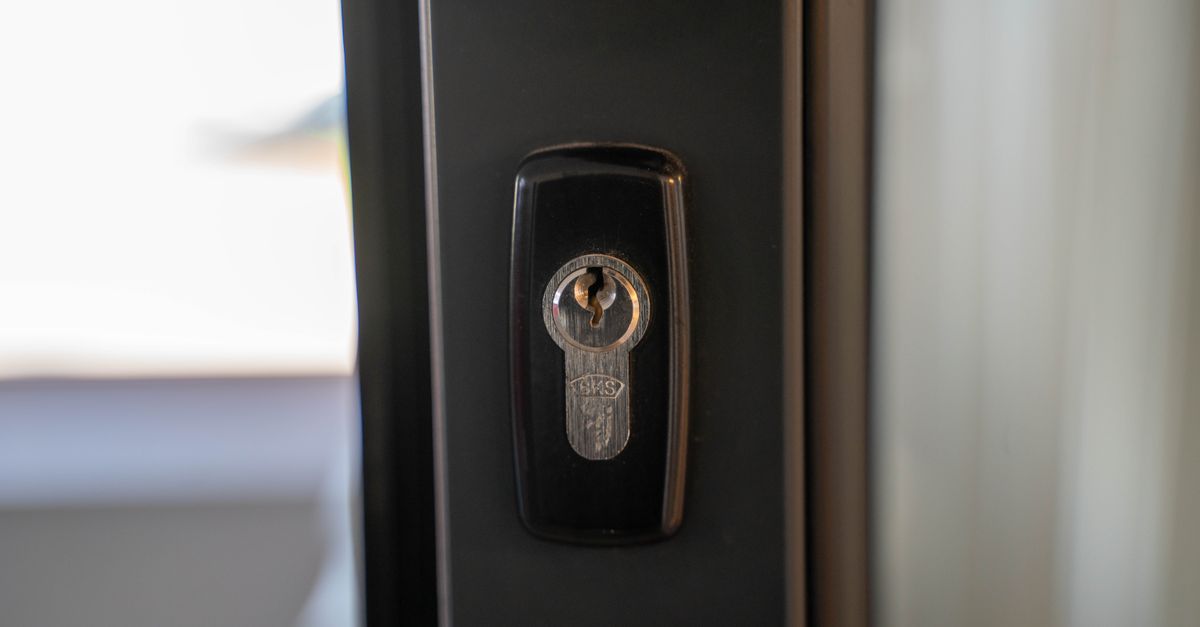
For a Yale-type nightlatch, changing the cylinder is a straightforward job for a trained locksmith: the old cylinder is removed and a new one dropped in, and new keys are cut to match. For a 5-lever mortice deadlock, the locksmith will usually replace the entire lock case if the existing one is old or if the keyway has been widely distributed; if the lock is relatively new and in good condition, changing to a fresh lock with a new key set is still the cleanest option. On uPVC doors, the euro cylinder is the component that gets replaced — and this is where it is worth asking specifically for an anti-snap, TS007 3-star rated cylinder, because euro cylinders on older uPVC doors are a known weak point in South London burglaries. Our team carries anti-snap cylinders as standard and can advise on whether your existing lock case will accept an upgraded cylinder. If you are unsure about the right approach for your specific door, call us on 020 3757 5826 and we will talk it through before anyone travels out.
## Coded and Combination Locks: Changing Codes at Tenancy Changes
Some landlords — particularly those managing houses in multiple occupation or purpose-built rental blocks — fit keypad or combination locks on communal doors or individual flat doors to avoid the key-cutting problem entirely. If your property has one of these, knowing how to change the code on a door lock at the end of a tenancy is essential, because handing over a code to a new tenant without resetting it means every previous occupant still has access. The process for how to change the code on my door lock varies by manufacturer, but on most electronic keypad locks you hold a reset button while entering a master code, then set a new user code — the exact sequence is in the manual, and the new code should be tested several times on both sides of the door before the door is closed on the latch.
For landlords asking how to change the code on a Honeywell door lock specifically, Honeywell's residential range typically requires you to open the battery cover, press and hold the program button until the lock beeps, enter the current master code, and then follow the prompts to set a new code — again, always test the new code with the door open before relying on it. If you have inherited a keypad lock at a new property and do not know the existing code, or if the previous tenant changed it without informing anyone, a trained locksmith can often reset or replace the cylinder or electronic module depending on the model. For combination padlocks used on outbuildings or communal gates, how to change the code on a combination lock follows a similar principle: set the dials to the current code, press and hold the reset pin, dial in your new code, and release. If the reset function has been disabled or the mechanism is seized, replacement is usually the safer option. Our team handles all of these scenarios across Camberwell and the wider London area.
## Upgrading Security at the Same Time: What a Skilled Locksmith Can Install
A tenancy changeover is a natural point to look at the door security as a whole rather than simply swapping like for like. Many properties in SE5 and the surrounding neighbourhoods still have lock setups that would not meet the minimum standards required by most home contents insurance policies. Insurers in the UK commonly ask for a BS3621-rated 5-lever mortice deadlock on the main front door — if the existing lock is not up to that standard, fitting one at the same time as a routine lock change adds real value for landlord and new tenant alike.
A common question at this stage is whether a locksmith can install a deadlock on a door that does not currently have one — the answer is yes. Our team can cut the mortice pocket into a timber door, fit a new BS3621 lock case, and install the striker plate in a single visit. On uPVC and composite doors, upgrading to a high-security multipoint lock or fitting an anti-snap euro cylinder is the equivalent step. We also carry out upvc door lock repair London jobs where the multipoint mechanism has dropped or stiffened, the handle no longer fully lifts the hooks, or the cylinder has been visibly attacked. These repairs are often quicker than a full door replacement and restore the door to full working order the same day. If you are locked out London and are stuck on the doorstep while waiting for a lock change — or if you have discovered your door has been compromised — we operate as a genuine 24 hour locksmith London service and send a locksmith straight away, usually with you in about 30 minutes. Call 020 3757 5826 any time, day or night.
## Practical Steps for Landlords and Tenants Before Calling a Locksmith
Before booking a lock change, both landlords and tenants benefit from doing a few things first. Landlords should confirm in writing that the previous tenancy has ended and that all keys have been returned — or note in writing that some keys are unaccounted for, as this documents the reason for the change. Letting agents in Camberwell should record the number of keys issued at the start of a tenancy and cross-reference at check-out. Tenants wanting a mid-tenancy lock change should put the request to the landlord or letting agent in writing, keep a copy of the reply, and agree in advance whether the original lock will be reinstated at the end of the tenancy or whether a copy of the new key will be provided instead.
On the day of the lock change, make sure someone with legal authority to authorise the work is present or has confirmed the instruction in writing — a skilled locksmith will always want to satisfy themselves that the person requesting the work has the right to do so, particularly in a rented property. Our team serving the Camberwell area and wider London are experienced in these situations and handle them calmly and professionally. We confirm an exact up-front price on the phone before we travel out, so there are no surprises at the end of the job. The price will depend on the type of lock, the number of doors, the parts needed, the time of day, and travel distance — all of which we go through with you during that initial call.
Frequently asked questions
Can my landlord change the lock while I am still living in the property?+
No. In England, a landlord cannot change the lock on a rented property while a tenancy is still legally in force without the tenant's written agreement. Doing so is likely to constitute illegal eviction under the Protection from Eviction Act 1977, regardless of the reason. The lawful route to ending a tenancy is through the courts. If you have been locked out of your home in this way, contact a housing solicitor or your local council's housing team, and call us on 020 3757 5826 — we can attend quickly and, once you have provided proof of your tenancy, help you regain access safely.
How do I change the code on a door lock at the end of a tenancy?+
The exact steps for how to change the door lock code depend on the make and model of the keypad. Most residential keypad locks follow a similar pattern: locate the program or reset button (usually behind the battery cover or on the back of the lock body), press and hold it, enter the current master code, and then follow the prompts to input and confirm a new code. For Honeywell models specifically, the process usually involves holding the program button until you hear a beep, entering the existing code, and then setting a new one. Always test the new code with the door held open before relying on it. If you do not have the current code or the reset function is not working, our team can help reset or replace the lock unit — call 020 3757 5826 and we will advise on the right approach for your specific lock.
Can a locksmith install a deadlock on a door that does not already have one?+
Yes. A trained locksmith can cut the mortice pocket into a timber door and fit a new deadlock in a single visit. For rented properties, it is worth specifying a BS3621-rated 5-lever mortice deadlock, as this is the standard that most UK home contents insurers require. On uPVC and composite doors, the equivalent upgrade is fitting a high-security multipoint lock or replacing the euro cylinder with an anti-snap, TS007 3-star rated one. Our team carries suitable locks and cylinders and can carry out the installation the same day. The final price depends on the lock type, the door material, and any parts required, and we confirm all of this upfront before we start work.
What should I do if I am locked out of my London flat between tenancies or after losing a key?+
First, check whether you have a spare key with a trusted neighbour, a family member, or your letting agent. Check all other entry points that you are authorised to use — a back door or communal entrance you may have a separate key for. Do not attempt to force the lock. If you have no way in, call a professional locksmith London service: our team covers Camberwell and the wider London area around the clock, including evenings, weekends, and bank holidays. We will ask you to confirm your connection to the property before carrying out any work, then get to you as quickly as possible — usually in about 30 minutes. Call 020 3757 5826 any time and we will send someone straight away.