Camberwell Locksmith Service Team
Local locksmith team
26 Aug 2026 4 min read
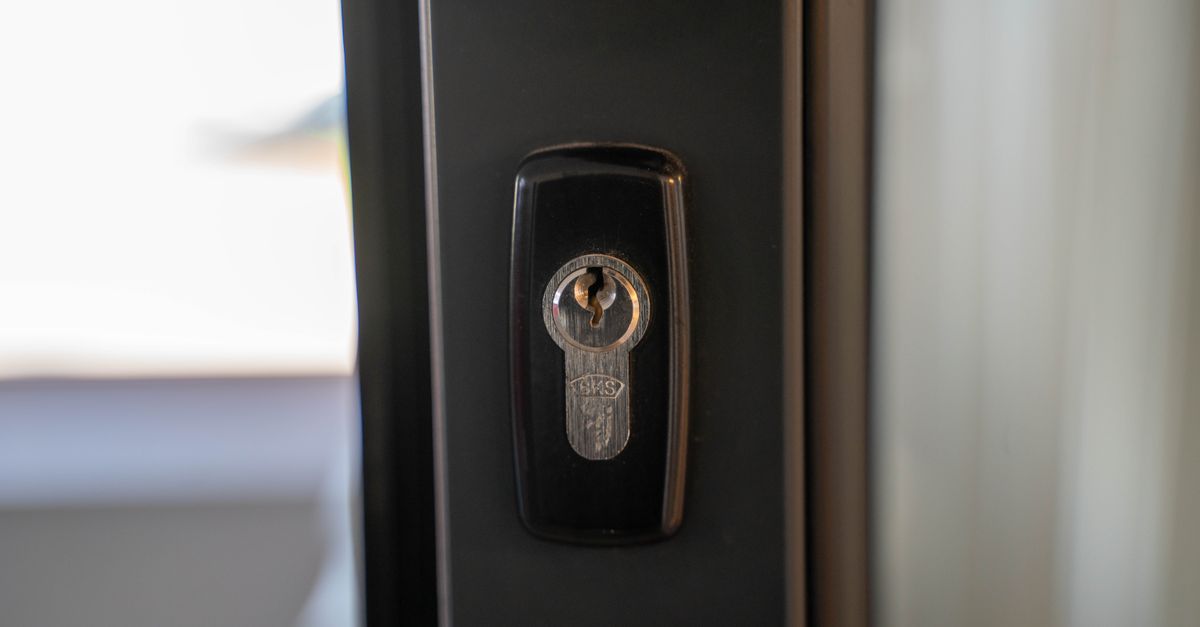
Most people only think about their door cylinder when something goes wrong — the key sticks, the lock feels stiff, or worse, they find themselves locked out on a cold Camberwell evening. But there is one simple skill that can save you a lot of grief: knowing how to measure a euro cylinder correctly before you buy a replacement. Get it right and a new cylinder slides in cleanly in under ten minutes. Get it wrong and you either end up with a cylinder that sits proud of the door furniture — which is an open invitation to a technique called cylinder snapping — or one that is too short and will not turn the cam properly. This guide walks you through the whole process, explains what the numbers actually mean, and covers exactly why a protruding cylinder is a genuine security risk on London doors.
If you are already locked out or your cylinder is damaged and you need help now, call Camberwell Locksmith on 020 3757 5826 — we answer 24 hours a day, 7 days a week, including evenings, weekends and bank holidays, and we can usually have a skilled locksmith with you in about 30 minutes.
Frequently asked questions
Can I measure a euro cylinder without removing it from the door?+
Yes, and in most cases you should measure it in place first. Open the door, locate the central fixing screw on the door edge, and measure from each face of the cylinder to the centre of that screw hole using a metal rule. You only need to remove the cylinder if the measurement is obscured by the door furniture, in which case undo the fixing screw, slide the cylinder out, and measure it on a flat surface. Keep the fixing screw safe — they are a standard M5 thread but the length varies and losing it will delay the job.
My cylinder is the right length but the key still sticks — do I need a full lock change?+
Not necessarily. A stiff or sticking key is sometimes just a lubrication issue — a small amount of graphite powder (not an oil-based lubricant, which attracts grit) worked into the keyway can free things up. If the cylinder has been in place for many years, the internal pins may be worn and a replacement cylinder is the right call. If the door itself has dropped or warped — common on older timber frames in London terraces — the cylinder may be under stress, and no amount of lubrication will solve that without first addressing the door alignment. A professional assessment will tell you which of these applies before any parts are ordered.
How do I know if my cylinder is an anti-snap model?+
The easiest way is to look for a TS007 star rating mark, which is usually stamped or printed on the product packaging rather than the cylinder itself. If the cylinder is already fitted and you no longer have the box, look for a sacrificial cut line running around the circumference of the cylinder near the outer cam — this is the engineered snap point that is present on anti-snap models. You can also check whether the cylinder has any visible security markings on the face plate. If you are genuinely unsure, a locksmith can inspect it for you and advise on whether an upgrade is worthwhile — given that many London insurers now factor cylinder rating into policy conditions, it is worth confirming.
I need to change the code on my keypad door lock — is that something a locksmith can help with?+
If you need to change the code on a keypad door lock and the manufacturer instructions are unclear or the lock is unresponsive, a locksmith experienced with electronic and digital door locks can help reset or reprogram the unit. This is quite different from a mechanical euro cylinder job — the process varies by brand and model, and some digital locks require a factory reset sequence that is easy to get wrong. If you also want to change a door lock from a keypad unit back to a keyed cylinder, or vice versa, that is also a job we can assess and quote for. Call us on 020 3757 5826 and describe the lock and the issue, and we will advise you over the phone on whether a visit is needed.